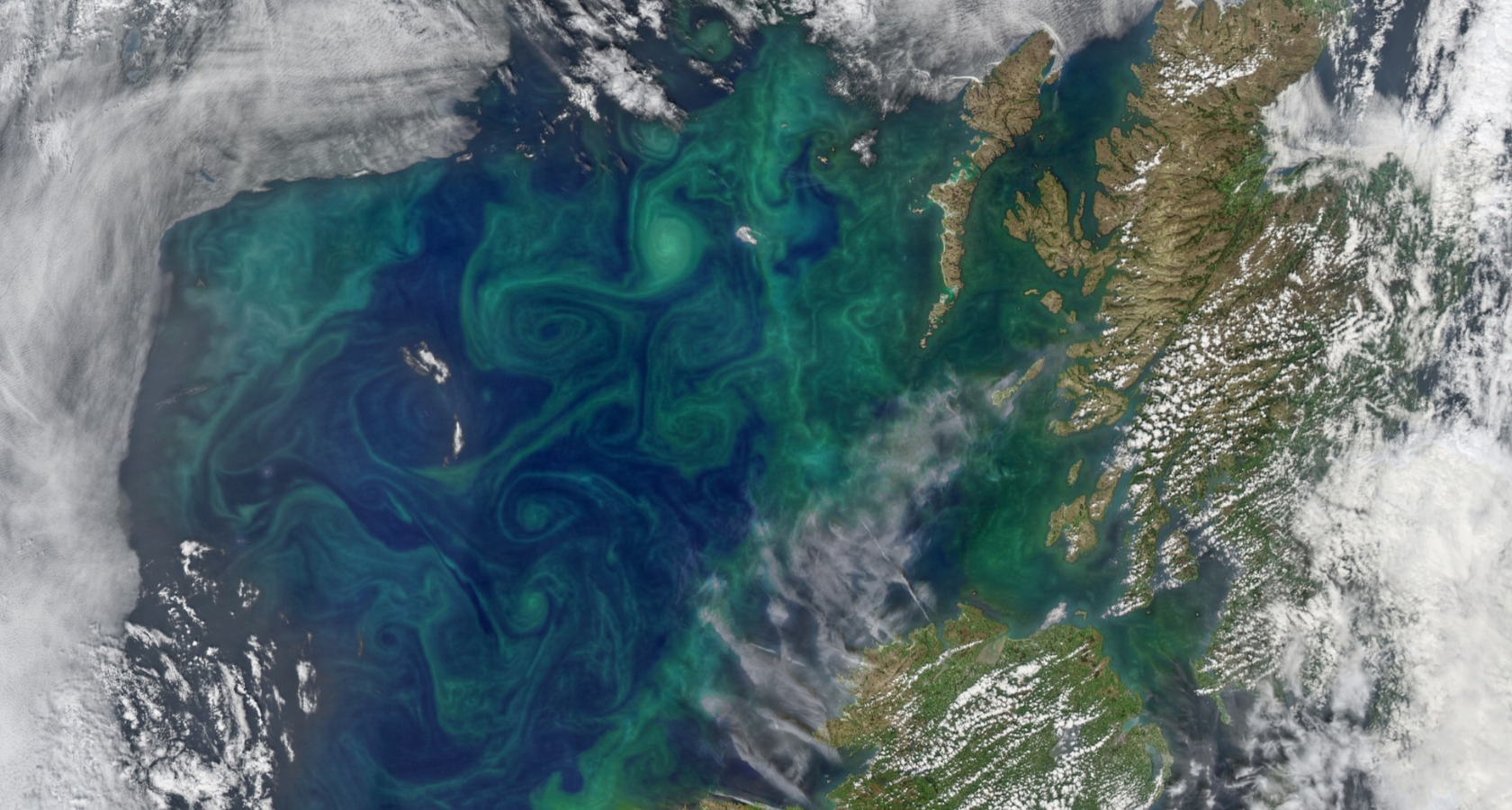
A new scientific paper led by Mara Co-director and Head of Science, Dr. Lea-Anne Henry, explores how mesoscale eddies help sustain marine life in the subpolar North Atlantic Ocean, strengthening the evidence for protecting the oceanographic processes that support biodiversity, especially in international waters.
In their article published in June 2026 in Progress in Oceanography, Henry et al. (2026) examines how rotating bodies of water known as mesoscale eddies shape marine ecosystems and support biodiversity by influencing food availability, marine animal movements and connections between the ocean surface and seabed.
Mesoscale eddies are found across the global ocean, particularly in areas where strong current systems meet and around topographical features like seamounts. These ocean eddies, ranging from tens to hundreds of kilometres across, support multiple ecosystem processes that couple the surface to the seafloor, and redistribute heat, nutrients and marine organisms across ocean ecosystems.
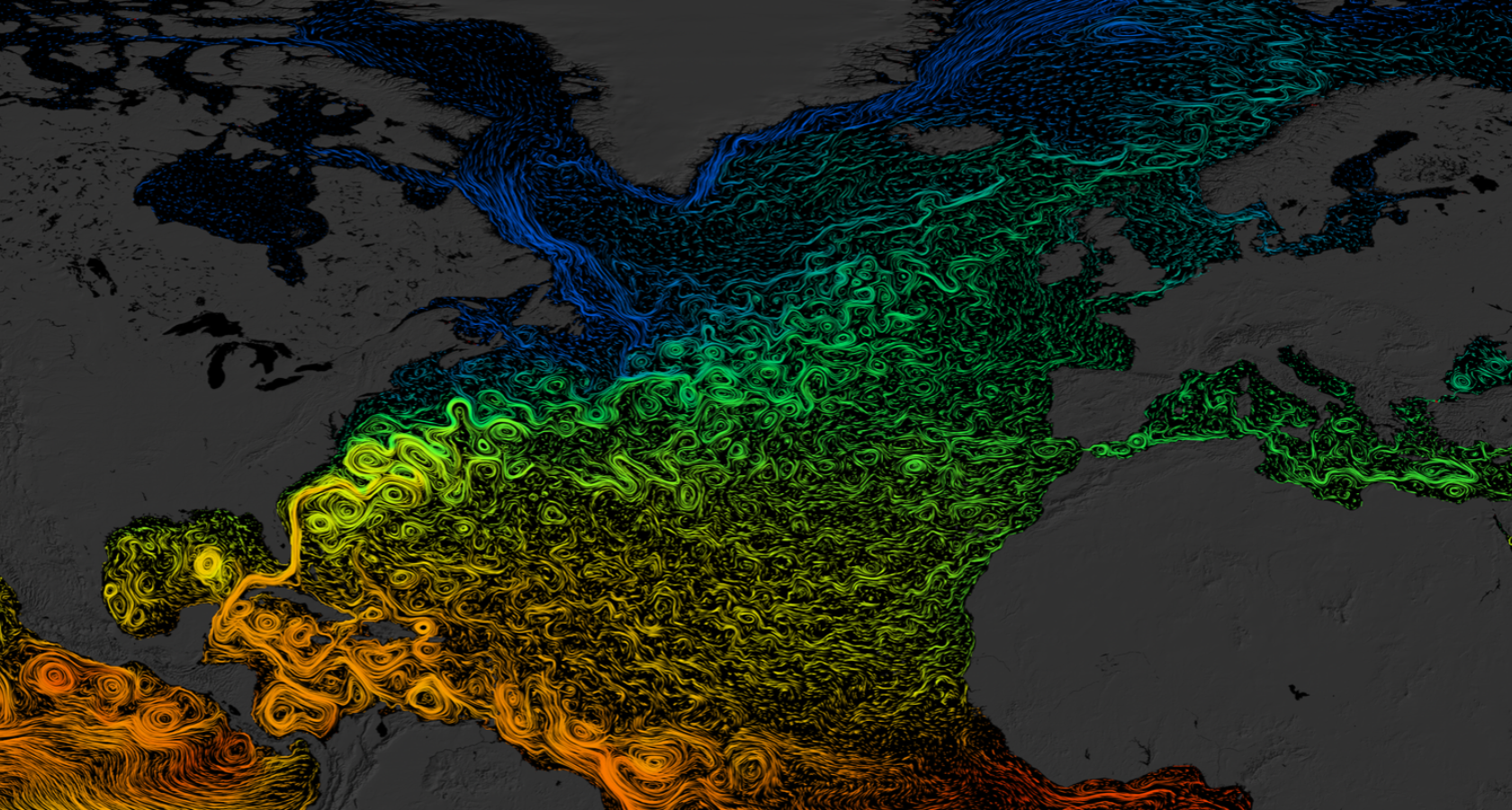
Using the North Atlantic Current and Evlanov Sea basin Marine Protected Area (NACES MPA) as a case study, the paper brings together oceanographic models, biological observations and animal-tracking evidence to demonstrate why these dynamic features are essential for effective marine conservation.
Key Takeaways:
Mesoscale eddies influence the marine food web from sea surface to seafloor. They can concentrate and transport prey, particularly through their influence on deep scattering layers (DSLs), which contain concentrations of midwater organisms, like small fish. In particular, mesopelagic fish like lanternfish play a key role in linking surface productivity from midwater communities further up the food chain to larger marine animals.
These eddies interact with seamounts and other seabed features, generating mixing and turbulence, including intense near-seabed currents or ‘benthic storms’, which help move water, nutrients and organic material throughout deep-sea habitats. These processes help connect the water column and the seabed in a relationship known as benthopelagic coupling. The NACES MPA contains more than 30 seamounts, alongside extensive deep-water habitats and dense deep scattering layers, making for a particularly biologically productive area.
This paper also describes how eddies support marine organisms throughout their life cycles, by influencing their movements, feeding opportunities, temperature conditions and dispersal. These include threatened and endangered species, migratory predators and early life stages of important prey, including cephalopods, like squid. The NACES MPA is also an important seabird foraging and migratory area, which helped establish the MPA's importance. This paper broadens that picture by exploring the evidence base that demonstrates how these ocean processes support a wide range of species throughout the MPA’s marine food web, including fish, squid, sharks, turtles and cetaceans.
Henry et al. (2026) demonstrates the importance of marine protection considering the whole ecosystem by synthesising physical oceanography, seabed geomorphology, biological surveys, species tracking and modelling to explain how different ecological processes interact. Their findings support an ecologically coherent MPA encompassing the surface, water column and seabed, and makes the case that areas of intense eddy activity can meet multiple international conservation criteria, such as the Annex I criteria of the 2023 Biodiversity Beyond National Jurisdiction (BBNJ) Agreement, including ecological connectivity, productivity and the importance of areas for threatened species.
Finally, the authors present an analytical framework that could be applied to other regions of biological importance with strong eddy activity, including the Brazil-Malvinas Confluence, the Agulhas Current system and the Kuroshio-Oyashio Extension. They highlight that multi-species tracking and high-resolution oceanographic models are particularly important for assembling the evidence needed to demonstrate ecological significance needed to protect important areas, especially in areas beyond national jurisdiction (ABNJ).
What comes next?
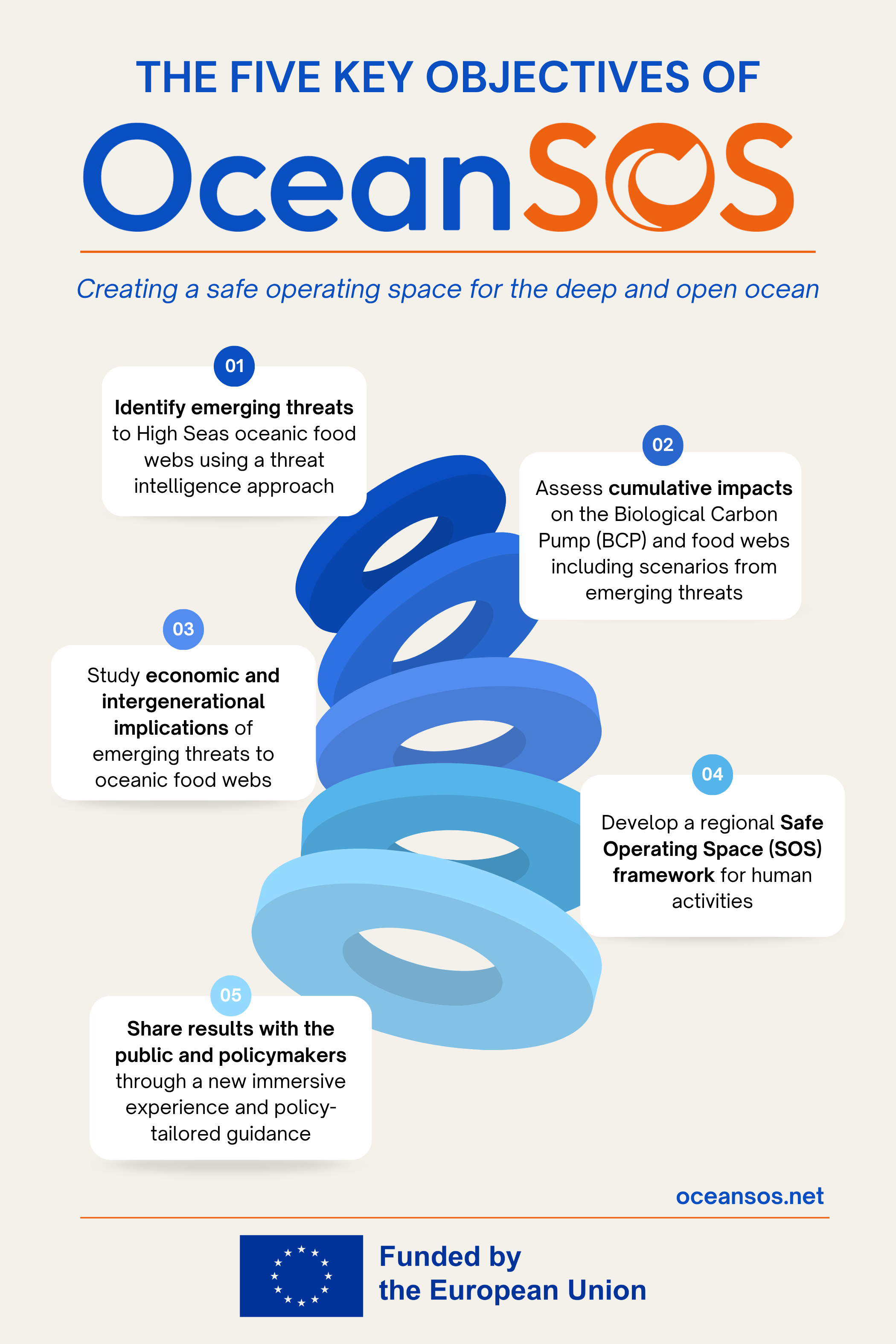
With the launch of the four-year Horizon Europe project OceanSOS: Creating a Safe Operating Space for the Deep and Open Ocean, the work continues. OceanSOS, across 14 international partners, aims to assess emerging threats to some of the most dynamic and productive marine ecosystems on Earth across three project study sites, including the NACES MPA, the Brazil-Malvinas Confluence zone and the Agulhas Current system.
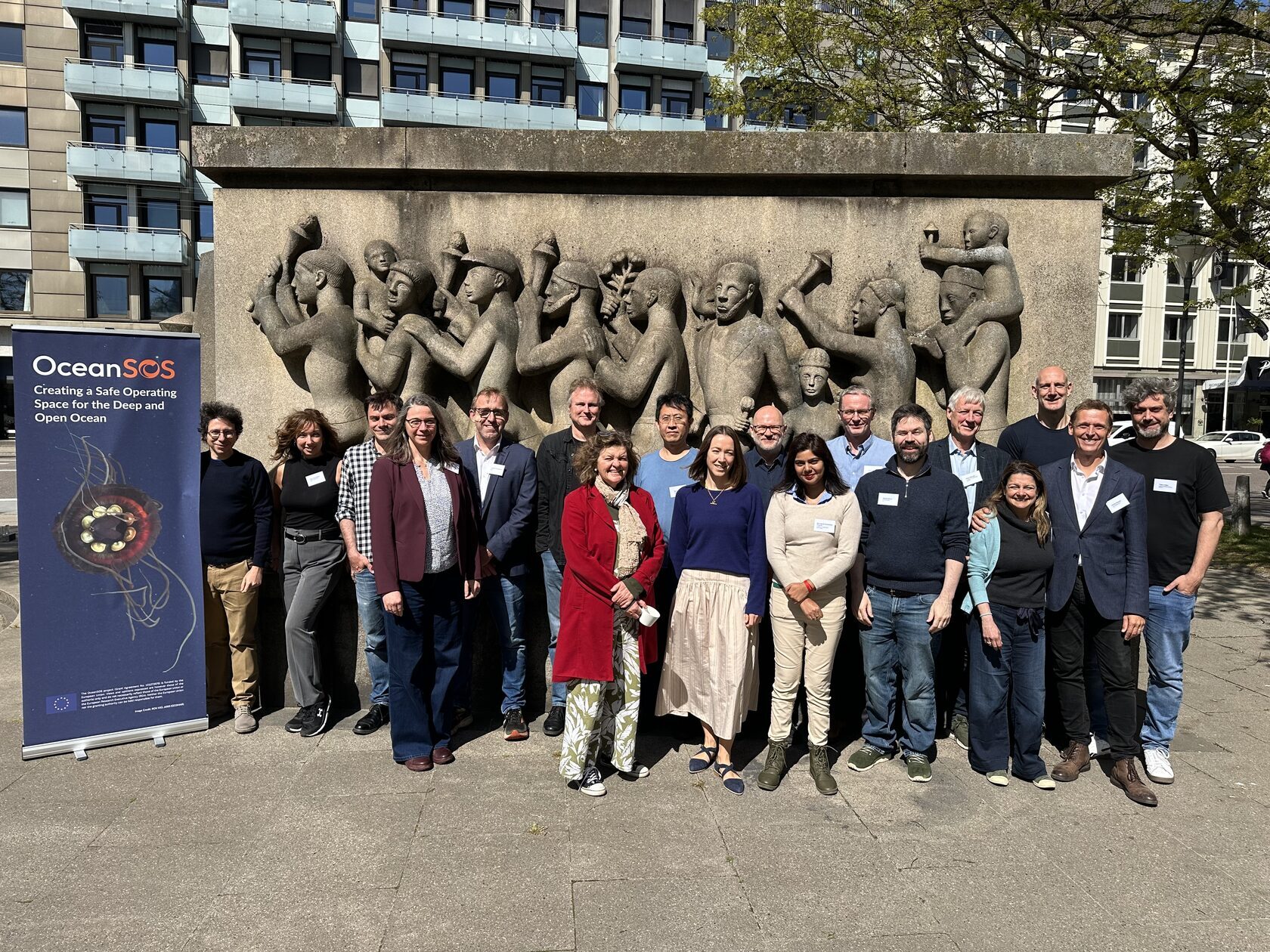
The project, coordinated by Mara Consultants and split across 7 Work Packages, will investigate how existing and emerging pressures affect key ocean processes, including:
- Benthopelagic coupling: the movement of energy and material between the water column and seabed.
- The biological carbon pump: the processes through which carbon is transferred from surface waters into the ocean interior and seabed.
- Food-web energy flow: how energy moves from primary producers through prey species to larger predators.
OceanSOS will also examine how these processes interact with climate change and emerging pressures like mesopelagic fisheries, potentially compounding their effects on marine ecosystems.
Research will combine state-of-the-art modelling, fieldwork and regional workshops, with evidence and insights co-developed alongside experts. This will help build a clearer picture of how changing environmental conditions and human activities may affect these interconnected ecosystems.
OceanSOS will then adapt the Planetary Boundaries Safe Operating Space framework to key areas of the ocean beyond national jurisdiction. The aim is to bring the ocean's role in maintaining planetary stability more directly into this framework, while developing a regional approach that can support European, regional and global management. By identifying emerging threats and assessing how they may affect ocean ecosystems, the project intends to give decision-makers the evidence they need to anticipate risks, apply precautionary management and strengthen ocean governance.
Henry et al. (2026) highlight that mesoscale eddies are more than features of ocean circulation: they help organise marine food webs, connect habitats and support biodiversity across the full depth of the ocean. For conservation, this means looking beyond static maps of species and habitats to understand the dynamic processes that sustain them.
OceanSOS builds on this approach by investigating how these processes may respond to multiple pressures and a changing climate, helping to strengthen the scientific basis for protecting ecologically important areas in ABNJ.
Several authors from the newly published paper are involved in the OceanSOS project, including Lea-Anne Henry (Work Package Deputy), Anna Gebruk (Project Office), Christian Mohn (Work Package Lead and Deputy Project Coordinator), Arne Biastoch (Advisory Board), Dick van Oevelen (Advisory Board), David E. Johnson (Advisory Board) and Murray Roberts (Project Coordinator).
You can learn more about the team and the OceanSOS Project, including opportunities to get involved, at https://oceansos.net/.
Further Information:
- Henry, L.-A. et al. (2026). Mesoscale eddies in the subpolar North Atlantic: their ecological importance and conservation significance. Progress in Oceanography, 246, 103760. https://doi.org/10.1016/j.pocean.2026.103760.
- Mara Briefing: “Transforming High Seas Governance: A Comparative Case Study from the NACES MPA”, 02 July 2025. Available via the Mara website here.
- To learn more about the OceanSOS Project, please visit the project website at: https://oceansos.net/