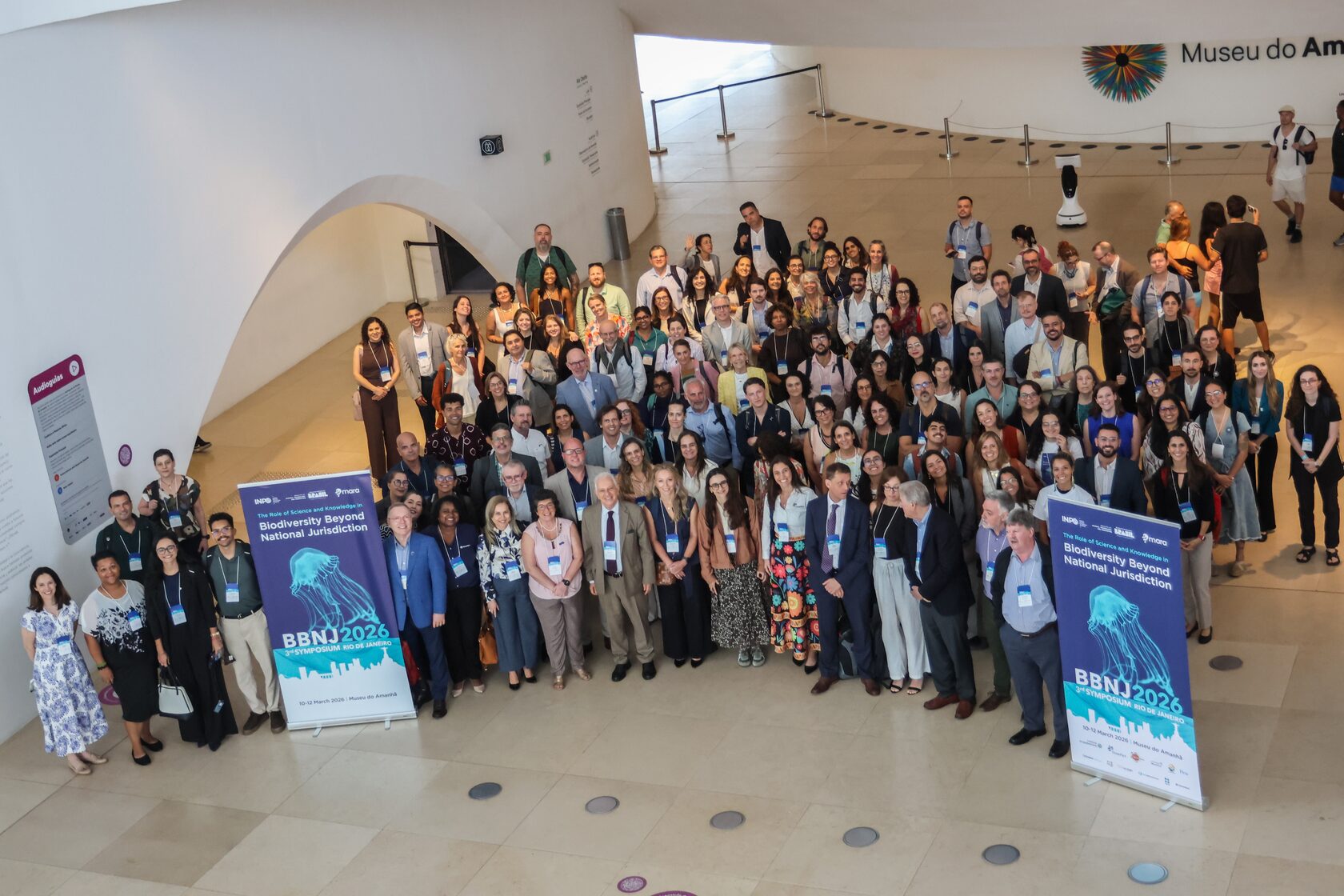
The Brazilian National Institute for Ocean Research (INPO) and Mara Consultants are excited to share that the Meeting Report from the Third BBNJ Symposium is now available.
Held in Rio de Janeiro, Brazil, from 10 to 12 March 2026, the Symposium brought together more than 500 participants in person and online from governments, academia, international organisations, industry, Indigenous Peoples and local communities, and civil society to explore the role of science and knowledge in supporting implementation of the BBNJ Agreement.
Coming at a pivotal moment following the Agreement's entry into force in January 2026, the Symposium focused on a central question: how can the international community translate the commitments set out in the BBNJ Agreement into effective action? The discussions recognised that implementation will be the defining challenge for the next phase of global ocean governance and highlighted the critical role of science, cooperation, and inclusive decision making in meeting that challenge.
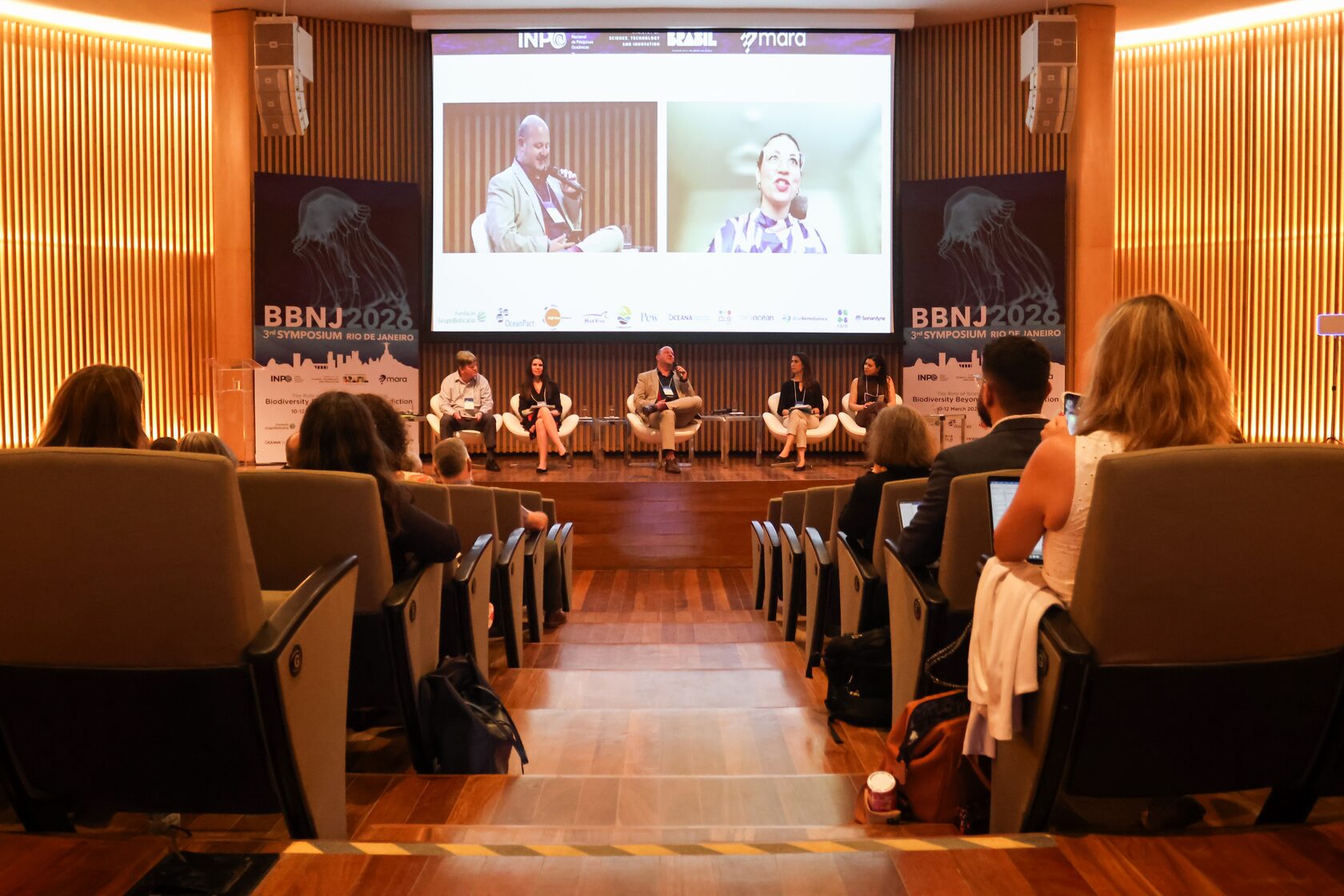
Capturing the conversation
The Meeting Report provides a comprehensive record of the Symposium's keynote presentations, panel discussions and audience exchanges, as well as further information on the ten satellite events hosted around the main programme.
Across nine thematic sessions, participants examined topics including biodiversity in areas beyond national jurisdiction (ABNJ), the science-policy interface, climate change, environmental impact assessment, compliance and enforcement, marine genetic resources, finance, traditional and local knowledge, and the role of the future Scientific and Technical Body (STB) established under the Agreement.
A consistent message throughout the Symposium was that successful implementation will require more than new institutions and legal frameworks. Participants emphasised the importance of sustained investment in science, stronger institutional coherence, equitable participation, meaningful inclusion of diverse knowledge systems, and practical international cooperation capable of responding to a dynamic and interconnected ocean.
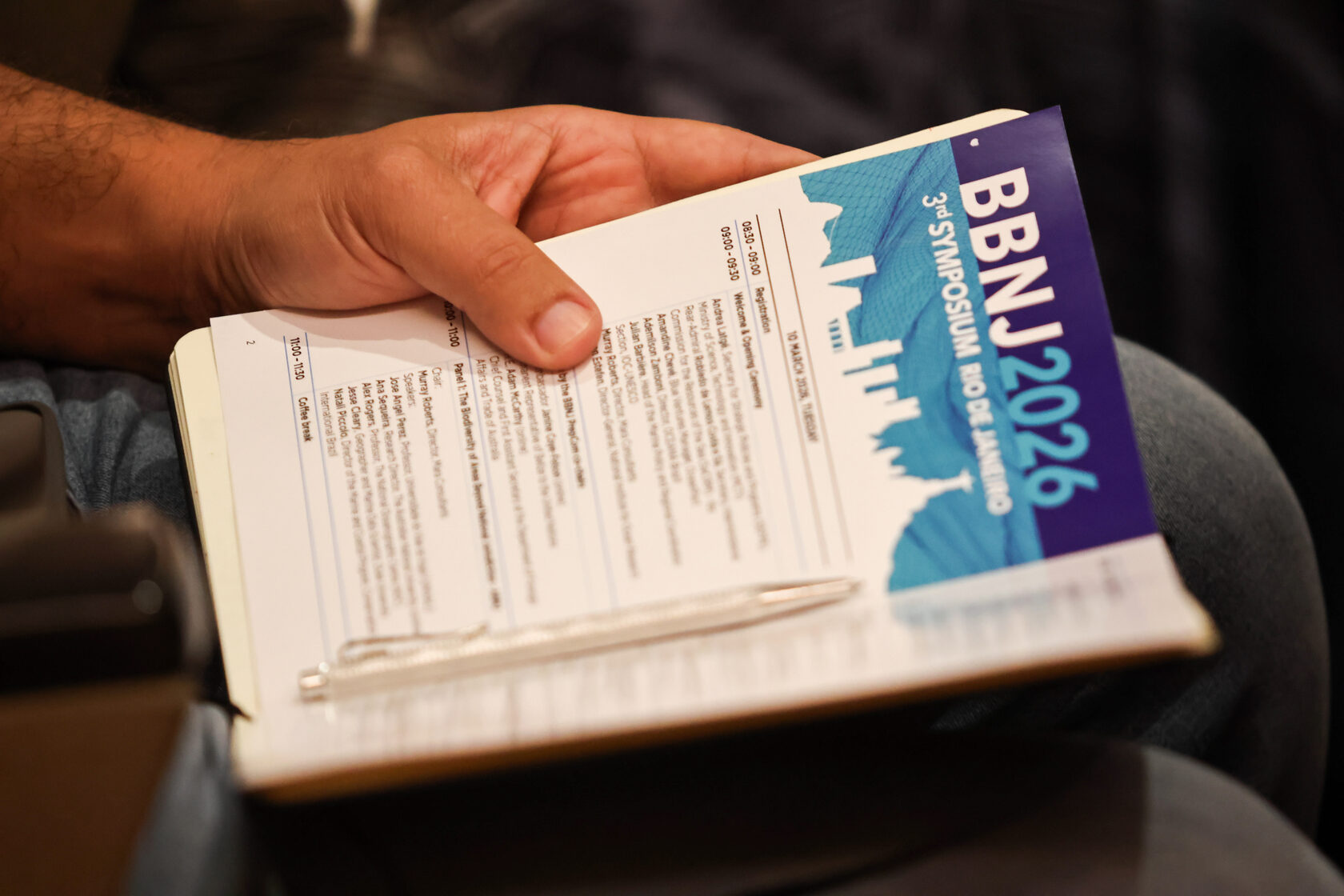
Supporting implementation
As preparations continue for the first BBNJ Conference of the Parties and the establishment of the Agreement's institutions, we hope this report will serve as a useful resource for policymakers, scientists and practitioners working to support implementation of the BBNJ Agreement.
We extend our sincere thanks to the INPO team, all speakers, moderators, panellists, organisers, programme advisory board, sponsors and participants whose contributions made the Symposium such a valuable forum for dialogue and collaboration.