With the Biodiversity Beyond National Jurisdiction (BBNJ) Agreement now formally entered in force as of 17 January 2026, attention is shifting rapidly from negotiation to implementation. The conclusion of the third session of the Preparatory Commission (PrepCom3) earlier this month marks another important milestone, with the first Conference of the Parties (COP) on the horizon. A major step forward for ocean governance has been taken, but the success of this Agreement will depend on how effectively it is implemented in practice.
The BBNJ Symposium series was established to address precisely this challenge, creating a space where policymakers, scientists, industry representatives, and civil society can come together in an independent forum to explore practical pathways forward.
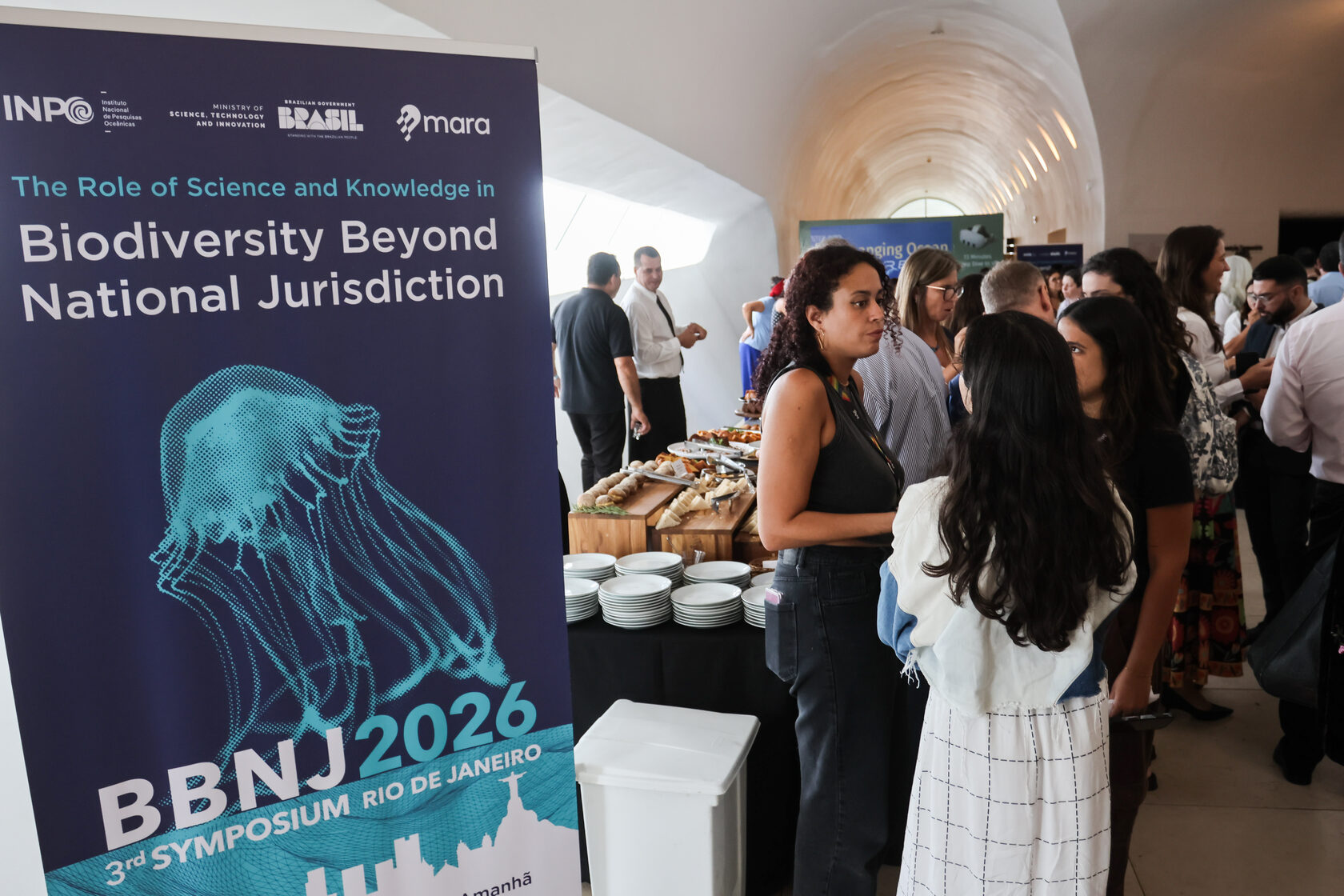
Since its launch in Edinburgh in 2023, followed by a second meeting in Singapore in 2025, and a third meeting concluded recently in Rio de Janeiro, Brazil in March 2026, the series has convened hundreds of participants from across sectors and regions. In doing so, it aims to build momentum and shared understanding around the Agreement’s key priorities and the steps needed and opportunities available to move from commitment to action.
A new paper by the Mara team, published in Marine Policy, reflects on this journey and the evolving role of the symposium series in shaping dialogue around the BBNJ Agreement.
An Independent Multi-Stakeholder Platform for Dialogue
The paper, authored by Dr Anna Gebruk, Catherine Brown, and Prof J. Murray Roberts, explores how the BBNJ Symposium series has developed into a key platform for advancing dialogue on the conservation and sustainable use of marine biodiversity beyond national jurisdiction.
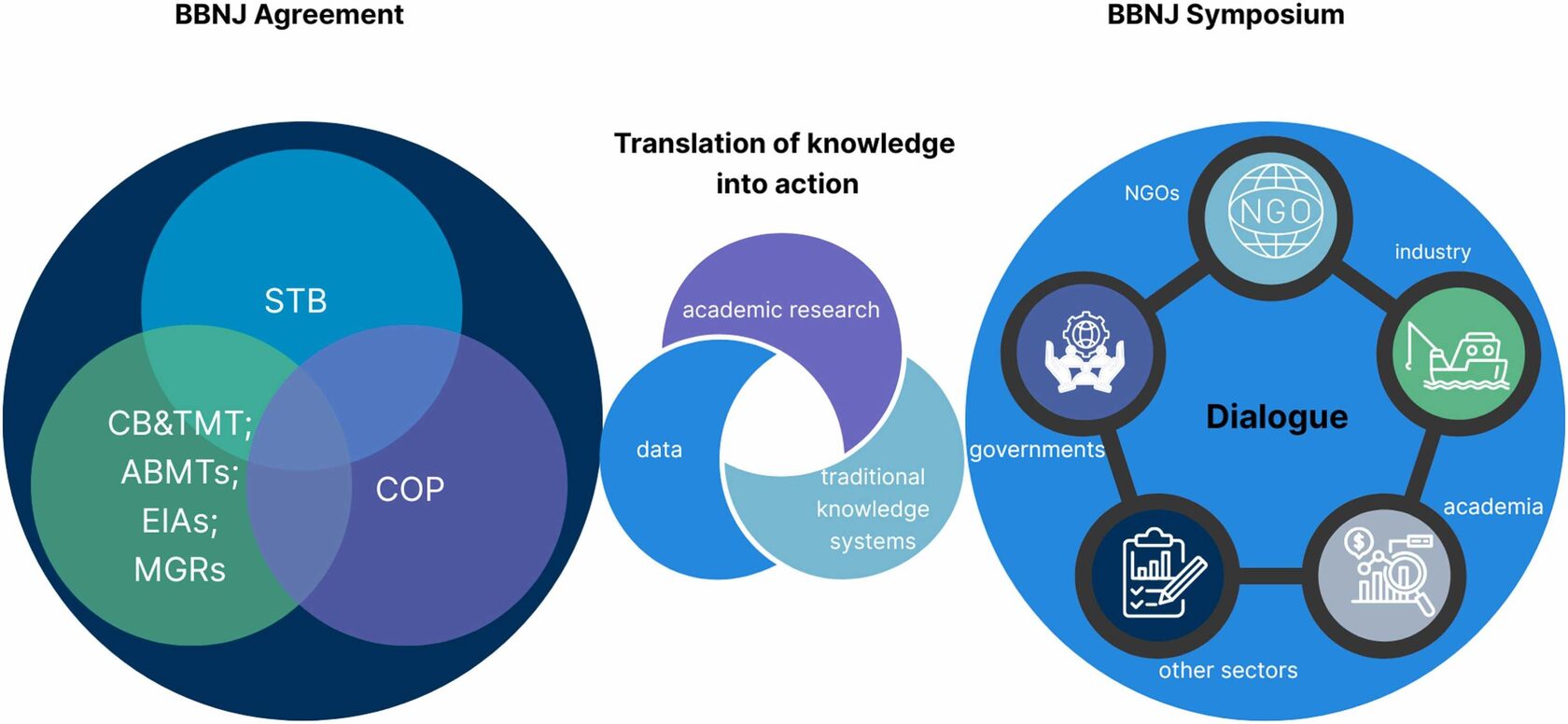
At its core, the series functions as an independent, global, multi-stakeholder forum. By bringing together actors from across sectors and geographies, it provides a space for open exchange, shared learning, and collaboration.
Bridging Policy and Practice
A central theme of the article is the need to bridge the gap between high-level legal frameworks and operational delivery. Discussions within the symposium series have focused on the four pillars of the BBNJ Agreement (i.e., marine genetic resources, area-based management tools, environmental impact assessments, and capacity building and the transfer of marine technology) alongside regional case studies, opportunities for collaboration, and emerging implementation challenges.
By bringing these themes together in a multi-stakeholder setting, the symposium series helps translate more abstract commitments into actionable strategies. The series supports the integration of diverse knowledge systems and expertise, helping to ensure that implementation of the BBNJ Agreement is informed, practical, and grounded in evidence.
Looking Ahead
The BBNJ Agreement represents a major step forward in international ocean governance. Independent forums like the BBNJ Symposium series can play a critical role in supporting its effective, inclusive, and science-based implementation. With momentum building following the Agreement’s entry into force and progress through the Preparatory Commission process, the BBNJ Symposium series will continue to evolve as a forum for dialogue and collaboration.
References
Gebruk, A., Brown, C., & Roberts, J. M. (2026). Advancing marine policy in uncharted waters: Reflections and prospects from the launch of the BBNJ Symposium series. Marine Policy, 190, 107143. https://doi.org/10.1016/j.marpol.2026.107143.